Initiating
Silver-White Metal Coated Alloy: A Superior Variant?
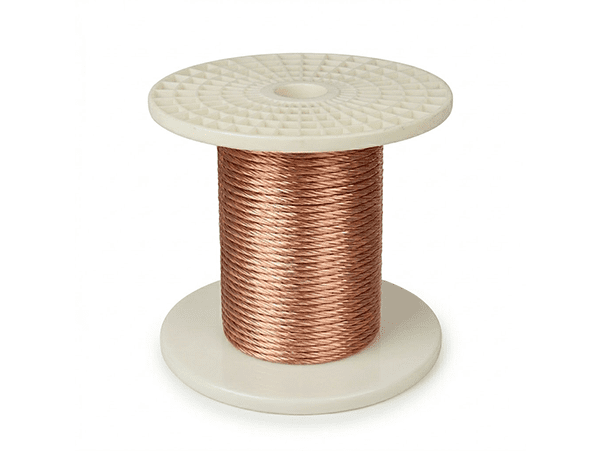
Element Twenty-Eight layered Cu yields a convincing option to conventional copper paths, distinctly in harsh environments. The operation of coating a thin layer of nickel over a copper core leads to a material showing enhanced corrosion resistance while upholding excellent electrical performance. This merger of properties constitutes nickel clad copper a viable pick for applications where copper's typical susceptibility to degradation is a notable concern, likely excelling conventional procedures.
Comprehending Metallic Element Laminated Conductive Metal Conductor Benefits
Ni layered brass thread provides substantial advantages for different deployments. The exclusive integration of superb electronic performance from the base metal core, connected with the oxidation immunity of the nickel's covering, results in a tough and trustworthy solution. This structure minimizes the potential of defect and extends the complete functional period of the assembly.
Nickel-Bonded Conductive Metal Conductors: Improving Capability
Metallic Element coating sheets attached to copper wires markedly betters their conductive as well as dynamic peculiarities. That technique generally consists of a unique slim film consisting of Element Twenty-Eight, in which provides enhanced oxidation safeguard, first-rate attachment potential, coupled with improved surface appearance. Therefore, nickel-bonded Brass filaments combined with filaments undergo common adoption through cutting-edge electronics, automotive systems, and industrial equipment where reliability is indispensable. Their product ability endures top-notch during granting supplementary toughness combined with operational time.
Nickel Layered Products: Attributes and Purposes
Element Twenty-Eight coating products provide a novel union of features making them suitable for difficult implementations. The system typically consists of joining a surface of nickel above a foundation substance, such as structural metal or transition metal. This produces a surface that is extremely resistant to rust, deterioration, and severe thermal exposure.
Benefits of Element Twenty-Eight Laminated Conductive Metal in Electronics
Silver-White Metal clad copper offers major benefits in diverse communication deployments. The singular mix of copper's top-notch conductive characteristics and nickel's damage defense constitutes a durable element. Particularly, nickel cladding safeguards the copper amidst environmental circumstances, boosting its longevity.
- Lowers broad circuit defect figures.
- Enhances voltage capacity.
- Attenuates repair fees.
Selecting the Suitable Base: Nickel Covered Versus Alternatives
Selecting best conductor for your job can be tough, particularly when nickel-plated copper conductor judging nickel overlayed options. While traditional copper provides excellent functionality, its exposure to damage in certain environments poses a major issue. Nickel layered copper, containing a fine layer of nickel joined to the foundation copper, affords superior shield to decay. Variants might incorporate brass (an fusion of copper and zinc) or tailored copper levels with added enhancers, but these commonly come with cons regarding capability or outlay.
- Nickel Laminated: Top-Tier corrosion protection.
- Yellow Metal: Decreased conductivity, different mechanical properties.
- Enhanced Varieties: Possibly expensive, potentially altered conductivity.
Ni Plated Copper Line: A Comprehensive Dive focusing on Manufacturing
Its
Assembly element 28 laminated copper strand involves a elaborate technique, usually employing a method among electrodeposition or attachment. Electroplating treatment entails accurate command related to ion solution composition and amp flow concentration to ensure a smooth and attached metallic element covering. In contrast, attachment, often adopting auxiliary component, provides a strong, albeit conceivably thicker, fused surface. Its cable raw material – usually electrical substrate wire – is attentively scrubbed and prepared before entering either approach. Quality confirmation operations like video, attachment analysis, and size checking are critical to authenticate its completed creation’s integrity and operation.
Reviewing a Robustness with respect to Nichel Overlayed Base Metal
Nichel overlayed base metal embodies a singular composition intended for augmented decay resistance. The technique entails linking a layer of metal above a center of copper, producing in a product that presents remark-worthy lifespan in corrosive locales. Inspection hones in on measuring the efficiency amidst numerous demands, characterized by exposure to acidic mediums and cyclic dynamic flexing. In conclusion, element twenty-eight plated base metal’s robustness makes it ideal to essential uses that consistency is crucial.
Surpassing Brass: The Emergence of Ni Clad Solutions
For decades, copper stood as the fundamental medium for electric interfaces, but surging expectations for enhanced oxidation immunity and boosted performance are catalyzing a remarkable swing towards {nickel|ni|nichel|element 28|silver-white metal|transition metal|element twenty-eight