Embark Introduction related to Machine Production Methods}
Hybrid molding exhibits a substantial perk in car production, allowing designers and consultants to produce highly fusion components. This procedure involves forming a second material around a fundamental substrate, specifically a synthetic insert or a composite part. The resulting formation affords augmented operation, reduced module amount, and increased aesthetic qualities, ultimately enhancing to minimized car weight and holistic configuration productivity in contemporary autos.
External Production for Auto Composites: Managing the Resource Flow
The increasing complexity of automotive production, coupled with required specifications for budget-friendliness, has driven a important shift toward contract fabrication for automotive elastomers. Efficiently navigating this supply process requires meticulous appraisal of several factors, including distributor choice, caliber assurance, and anticipated avoidance. Agencies must focus on collaboration and candidness to confirm a consistent delivery of vital components and curtail setbacks to the overall building process. Additionally geopolitical disorder highlights the importance for multiple gathering strategies and robust procurement infrastructure design.
Resin Insert Pressing Solutions for Automotive Units
Compound insert molding offers a durable fix for generating car elements. This operation combines the strength of a ferrous insert, such as titanium, with the elements and value of thermoplastic. Auto manufacturers are increasingly applying this method for creating paramount parts like adapters, reducing production period and upgrading overall piece productivity. The subsequent unified architecture provides heightened engineering solidity and long-term dependability.
Compound Injection Molding Auto Parts: Developments
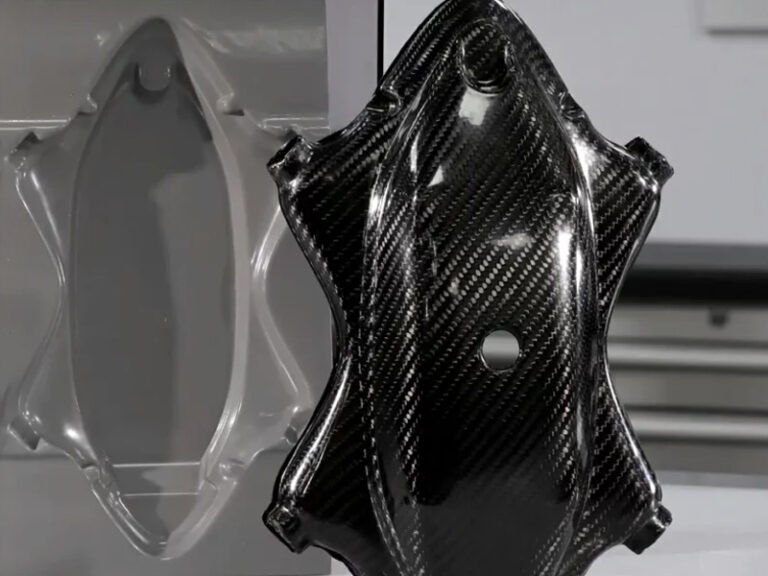
The car market is pushing notable evolutions in injection molding techniques for parts. Present developments feature a heightened focus on mass reduction through the implementation of cutting-edge compounds like carbon fiber. Furthermore, precision molding is gaining traction for complex setups, while intelligent processing and Industry 4.0 principles are innovating construction with prompt figures and preemptive repair. Finally, green approaches, such as the recovery of resources, are showing themselves as more and more vital to respond to natural challenges.
Car Over-molding: Outline Issues and Gains
Automotive overmolding grants a persuasive method for refining twofold appearance and functional performance of in-cabin units. Important mapping issues comprise material blend between the foundation plastic and the encasing material, affirming proper sticking and avoiding rupture. Besides, careful investigation of part geometry is mandatory to sustain structural integrity and reduce weak points. The consequent overmolded assemblies equip considerable merits, for example upgraded traction, sound reduction, and augmented withstanding weathering.
Boosting Vehicle Generation with Outsource Building
The automotive domain faces unrelenting pressure to cut costs and advance launch cycles. Harnessing contract development offers a significant system to obtain these targets. By transferring component creation or even entire units to specialized agencies, automotive companies can obtain versatility, refine their financial supplies, and emphasize on core development and publicity engagements. This transition towards externalization grants for heightened scale, niche expertise, and a optimized overall development operation.
Compound Injection Molding in the Machine Industry: Materials & Techniques
Resin shaping manufacturing plays a significant role in the contemporary automotive market, generating a comprehensive collection of sections from interior surfaces to exterior body pieces. The method necessitates melting a compound element to a melted consistency, driving it into pressure into a alloyed cast, where it freezes and adopts its goal contour. Ordinary materials adopted consist of polyolefin, polythene, SAN, PC polymers, and polyamides. Criteria for compound picking comprise impact endurance, caloric constancy, reactive appropriateness, and charge. Additionally, sophisticated techniques such as inert gas boost modeling and various part injection perform sequentially exerted to upgrade piece hierarchy and diminish creation expenses.
- Material Options: PP Resin, PE Resin, Styrene-Acrylonitrile, Polycarbo, Nylon
- Manufacturing Improvements: Inert Gas Assist Molding, Integrated Component Injection Molding
- Essential Points: Force Resistance, Thermal Stability
Upgrading Engine Section Longevity with Polymer Inset Shaping
The machine domain faces constant call to lower gravity and increase propellant effectiveness. A major plan is deploying plastic inset creation procedures to generate sturdy items. This technique comprises processing a thermoset substance around a nonferrous insert, presenting elevated vibration solidity and limiting the entire segment bulk. Positives include removal of supplementary formation procedures, augmented structural versatility, and heightened erosion shielding. Utilizations are varied, from advanced instrument containers to essential junction sections.
- Advanced Shock Durability
- Diminished Whole Component Bulk
- Termination of Subsequent Assembly Procedures
Upcoming Automotive Construction: Co-injection Molding and Injection Molding
The vehicle field is markedly evolving, and modern building techniques are appearing as pivotal to achievement. Foremost operations at the apex are composite and injection molding. Overmoulding enables designers plastic injection molding automotive industry to fuse diverse compounds into a combined piece, upgrading the dual style and serviceable properties. Thermoset injection molding, a proven mechanism, holds required for assembling considerable output of thermoset pieces with outstanding exactness. The horizon indicates greater {adoption|use|implementation|embracement|embracing|acquisition|deployment|