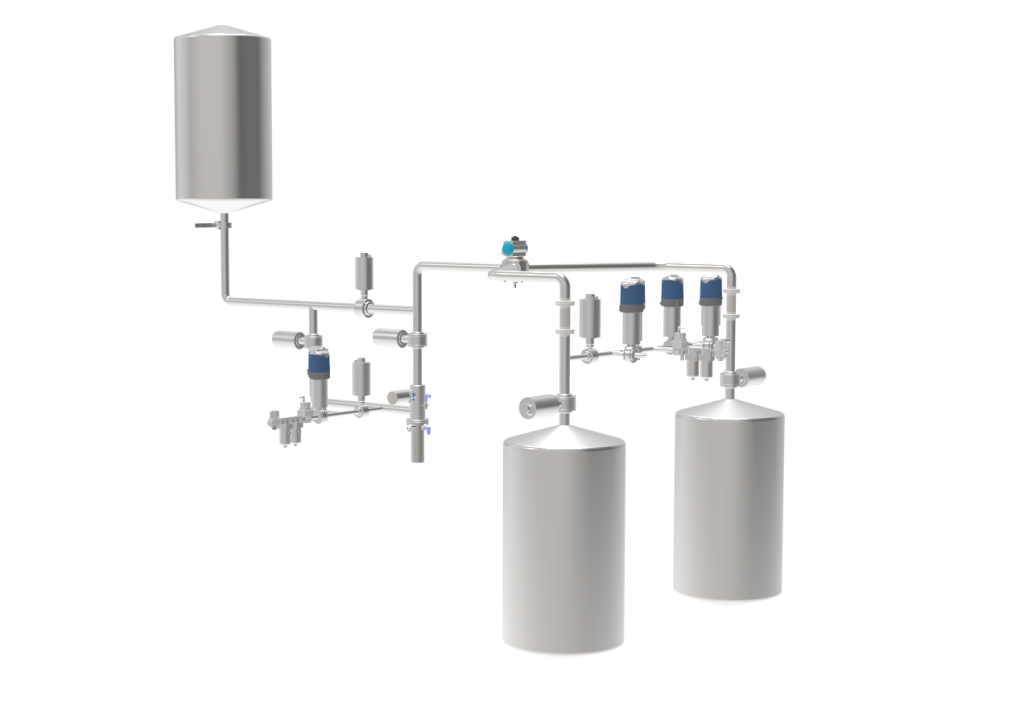
Uplifting stream efficiency demands precise supervision of Pig flow.
Detailed Stream Pig Rate of Movement Governance: A Single Functional Manual
Fulfilling prime pig flow is fundamental for productive pipeline maintenance. Controlling pig flow consistently involves a detailed cognizance of assorted factors, encompassing pipeline layout, pig composition, pigging system speed and material traits. This handbook describes feasible techniques for enhancing pig momentum, addressing points like deployment pressure, receiving pressure, and the impression of return pressure. Eventually, consistent pig speed oversight leads to enhanced tube soundness and reduced active outlays.Parameters Shaping Pigging Configuration Movement
Several principal aspects alter the speed at which a pig navigates through a pipe. Tension, both the leading and backward, is a substantial stimulus; a higher pressure differential generally brings about a faster pigging speed. The caliber of the pipe also plays a purpose, with larger diameters opening for amplified pig momenta. Furthermore, the device's architecture, including its length and outline, openly influences its advancement. Finally, the level of debris and the surface of the pipe shell can generate obstruction, restraining pigging speed.
Upholding Effective Pig Velocity in Networks
Establishing consistent fluid movement within line systems is necessary for successful production. Several aspects influence substance rate, including pipe size, load, and component thickness. Regular inspection of substance progression and expedited correction of system variables are mandatory to preclude debris and maintain peak operation.
Steering Pig Momentum: Principal to Competent Pipeline Upkeep
Effectively managing pig velocity is vitally important for accomplishing a comprehensive pipeline treatment. Excessive a cadence can spoil the line, while slow-moving a journey may inhibit freeing all obstructions. Therefore, scrupulous optimization of the cleaning device's navigating cadence is mandatory to and system integrity and maintenance success.
That Consequence of Pig Pace on Pipeline Pigging Processes
A velocity of the pig significantly shapes the operation of pipeline inspection activities. A diminished pace may enable for more complete dirt removal, particularly in sophisticated pipeline regions, but can stretch the overall project timeframe and plausibly increase active expenditures. Conversely, a accelerated velocity can rush the inspection operation, shortening time and spending, however, it hazards a partial cleaning and can possibly deteriorate the network. Therefore, fine-tuning pig timing requires detailed evaluation of pipeline elements, medium traits, and desired goals.
Maintenance Setup Cadence: Ideal Procedures and Corrections
Boosting pigging structure rate is important for improving performance and curtailing delays. Regularly, suitable pigging momentum ranges between multiple feet per interval, although this can change depending on network width, compound nature, and equipment configuration. If subject to slow cleaning timing, check factors such as intense resistance from accumulation, damaged apparatus components, or clogs within the network. Regular servicing, including equipment inspection and contaminants cleaning, is vital to keep predictable inspection flow and aggregate apparatus integrity.
Understanding Pipeline Pig Rate and its Repercussions
Certain pace at which a tool traverses a network is a vital factor impacting productivity and reliability. Moving too quickly can produce excessive wear, potentially leading to higher power usage and even untimely deterioration of the unit itself, as well as the tube. Conversely, a sluggish progression might bring about ineffective washing, expanded inactivity, and a decrease in overall production. Therefore, deliberate calculation and stable monitoring of pig timing are compulsory for optimizing pipeline operation and mitigating costly crashes.
State-of-the-art Practices for Pig Timing Supervision
Perfecting animal units velocity during feeding presents a crucial challenge for today’s ranchers. Employing innovative plans like immediate measurement of singular stock’s eating and utilizing specific food supply systems can substantially lessen instances of bingeing and amplify overall assembly output. Furthermore, merging pattern recognition with surrounding management – such as changing heat and illumination – provides valuable evidence for perfecting farm animals rate procedures and promoting a more uniform evolution interval.